10 Olahraga Terbaik Untuk Meningkatkan Tinggi Badan – Mungkin Anda pernah membaca secara online bahwa mengikuti olahraga bermanfaat untuk menambah tinggi badan secara alami. Nah, jika sejujurnya, ada olahraga di luar sana yang sebenarnya bisa membantu Anda tumbuh lebih tinggi.
Jadi, jika Anda ingin tahu olahraga mana yang harus Anda ikuti dan olahraga mana yang harus Anda hindari, lanjutkan membaca. Di bawah ini kami akan membahas sepuluh olahraga yang dapat membantu menambah tinggi badan Anda.
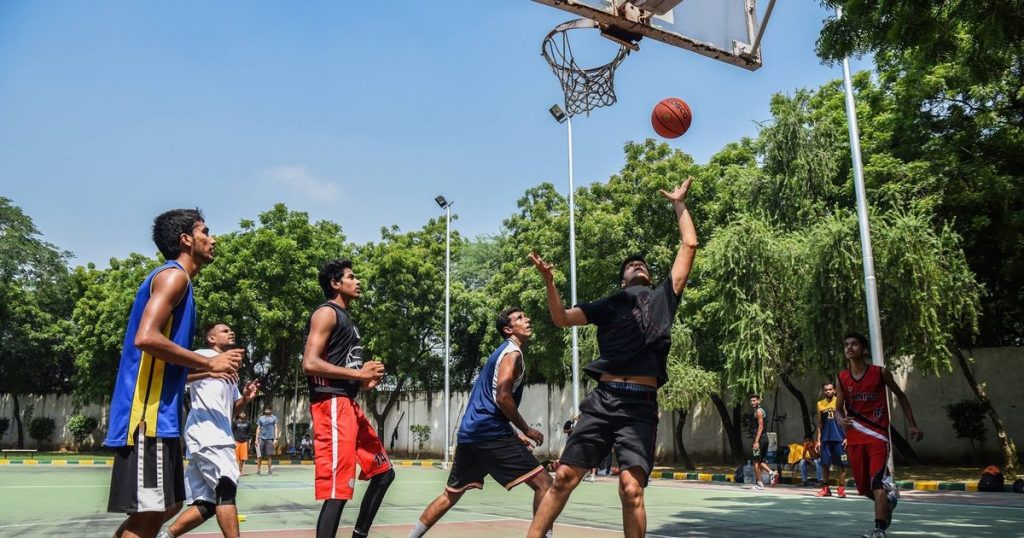
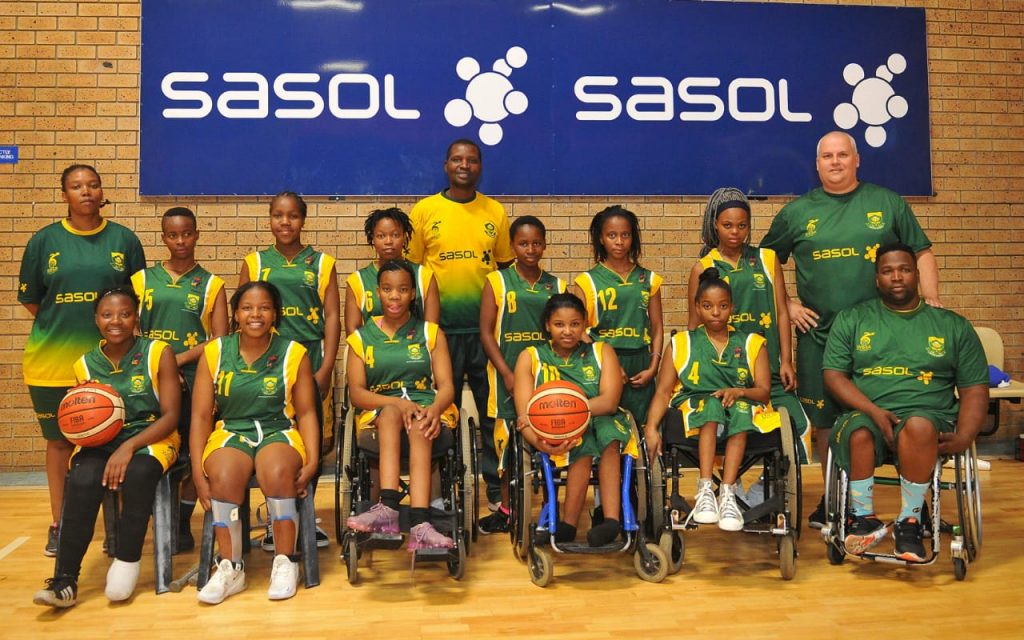
1. Bola Basket
Menembak, menggiring bola, mengoper, memblokir, mencuri ini adalah beberapa keterampilan penting yang perlu Anda miliki jika Anda ingin menjadi pemain bola basket profesional.
Namun, ada hal lain yang benar-benar dapat membantu Anda menjadi superstar di lapangan, dan itu adalah menjadi tinggi. Nah, Muggsy Bogues adalah pengecualian. Itu karena dia adalah pemain NBA terpendek sepanjang masa, dengan tinggi 5 kaki dan 3 inci saja. Tidak apa-apa jika dia tidak setinggi itu karena dia memiliki keterampilan basket yang gila!
Anak-anak yang bermain bola basket cenderung menjadi orang dewasa yang tinggi. Itu karena semua lari dan lompat yang perlu mereka lakukan membantu membawa banyak nutrisi dan oksigen ke lempeng pertumbuhan tulang mereka, sehingga memungkinkan tulang panjang lengan dan kaki mereka tumbuh lebih panjang.
Sejujurnya, beberapa pemain NBA tertinggi di luar sana telah bermain bola basket sejak mereka masih anak-anak — tidak heran mengapa mereka begitu tinggi akhir-akhir ini!
Jangan khawatir jika Anda tidak lagi remaja. Itu karena Anda masih bisa bermain basket dan mendorong tubuh Anda untuk tumbuh lebih tinggi. Jumlah lompatan dan tembakan yang perlu Anda lakukan setiap kali permainan menyebabkan tulang belakang Anda meregang, dan ini secara instan menambah beberapa sentimeter pada tinggi badan Anda.
Selain itu, bola basket juga merupakan bentuk latihan kardiovaskular yang sangat baik, yang memungkinkan Anda untuk membakar kelebihan kalori dan lemak. Memiliki bingkai yang lebih ramping dapat memberikan kesan bahwa Anda adalah orang yang lebih tinggi.
2. Sepakbola
Seperti bola basket, Anda juga harus pandai menembak, menggiring bola, dan mengoper bola jika Anda ingin menjadi pemain sepak bola yang hebat. Tapi alih-alih menggunakan tangan dan lengan Anda, dalam sepak bola, Anda harus menggunakan kaki dan kaki Anda. Karena alasan inilah mengapa jenis olahraga ini disebut demikian.
Menonton pertandingan sepak bola akan memberi tahu Anda bahwa itu adalah sesuatu yang membutuhkan banyak berlari dan melompat. Inilah sebabnya mengapa bermain sepak bola dapat membantu meningkatkan tinggi badan Anda.
Dampak yang didapat lempeng pertumbuhan Anda dari terlibat dalam sepak bola mendorong pertumbuhan jaringan tulang baru. Akibatnya, Anda akan memiliki kaki yang lebih panjang. Bermain sepak bola, terutama di masa remaja Anda, dapat membantu Anda menjadi orang dewasa yang sempurna.
Apakah Anda sudah berusia 20-an dan 30-an dan Anda bertanya-tanya apakah sudah terlambat bagi Anda untuk memanfaatkan sepak bola hanya untuk menambahkan beberapa inci ke tinggi badan Anda saat ini? Anda akan senang mengetahui bahwa tidak ada kata terlambat!
Para ilmuwan mengatakan bahwa lempeng pertumbuhan orang yang berbeda cenderung berhenti memproduksi jaringan tulang baru pada usia yang berbeda. Jadi, dengan kata lain, ada kemungkinan pelat pertumbuhan Anda masih aktif. Jika masih aktif, maka Anda tidak perlu membuang waktu — Anda harus mulai bermain sepak bola untuk memaksimalkan potensi tinggi badan Anda.
Jika Anda merasa masa kejayaan lempeng pertumbuhan tulang Anda sudah lama berlalu, jangan ragu untuk bermain sepak bola.
Itu karena itu cara yang bagus untuk memperkuat tulang Anda dan menangkis osteoporosis, penyakit tulang yang dapat menyebabkan penurunan tinggi badan pada orang dewasa. Selanjutnya, bermain sepak bola memungkinkan, Anda langsing dan terlihat lebih tinggi.
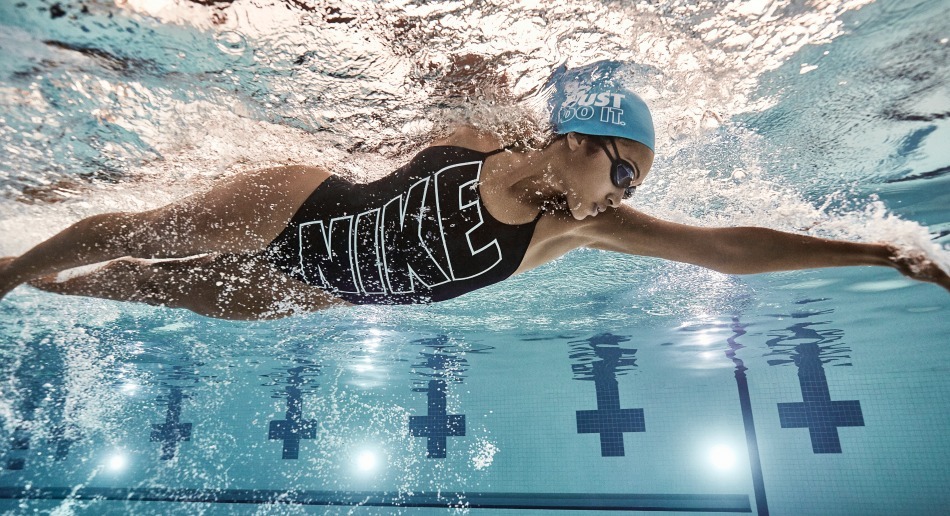
3. Berenang
Mungkin Anda pernah membaca beberapa artikel di internet yang mengatakan bahwa latihan peregangan dapat membantu menambah tinggi badan Anda. Memang benar — peregangan sangat baik untuk membuat Anda tumbuh lebih tinggi.
Inilah sebabnya mengapa berpartisipasi dalam berenang adalah cara yang bagus untuk meningkatkan tinggi badan Anda dengan bantuan olahraga. Beberapa gaya atau gaya renang yang paling umum termasuk gaya bebas, gaya dada, gaya punggung dan gaya kupu-kupu, dan semuanya menyebabkan tubuh menjadi melar.
Tak perlu dikatakan, berenang lebih banyak dapat meningkatkan peluang Anda untuk tumbuh lebih tinggi, dan menjadi lebih tinggi dapat meningkatkan peluang Anda untuk memenangkan medali renang!
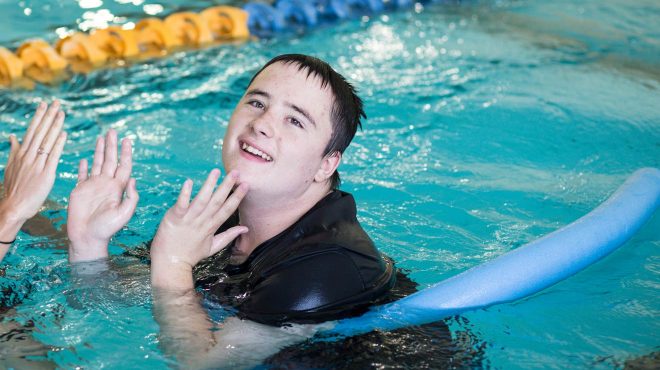
Selain itu, ada satu alasan lagi mengapa renang bisa mengubah Anda dari seorang yang pendek menjadi seorang atlet yang tinggi. Tidak lain adalah fakta bahwa ketika Anda berada di kolam renang, tubuh Anda mengalami pengurangan gravitasi.
Dengan mengurangi dampak gravitasi pada tubuh Anda, tulang belakang Anda diizinkan untuk meregang.
Justru karena alasan inilah astronot bisa bertambah tinggi hingga 2 inci setelah menghabiskan beberapa waktu di luar angkasa – tidak adanya gravitasi di sana memberi tulang belakang cukup waktu untuk meregang.
Kabar baiknya adalah Anda tidak harus pergi ke NASA dan melamar menjadi astronot jika Anda ingin menjadi orang yang lebih tinggi. Yang harus Anda lakukan adalah berenang lebih sering karena berada di dalam air membantu menyelamatkan tulang belakang Anda dari tekanan akibat efek gravitasi.
4. Berselancar
Jika Anda tinggal di dekat laut, ada baiknya Anda berpartisipasi dalam berselancar daripada berenang. Menjadi seorang peselancar sama seperti menjadi perenang, kecuali bahwa Anda dipersenjatai dengan papan selancar, dan Anda diberi kesempatan untuk membuat semua orang terengah-engah dengan kemampuan Anda mengendarai ombak!
Apa yang menyenangkan dari berselancar adalah memungkinkan Anda menghabiskan banyak waktu di dalam air. Seperti yang dikatakan sebelumnya, gravitasi memiliki dampak yang berkurang pada tubuh Anda saat Anda berada di dalam air. Ini memberi tulang belakang Anda kesempatan untuk menjadi lebih terdekompresi dan lebih lama, sehingga memberi Anda kerangka yang lebih tinggi.
Selain itu, berselancar mengharuskan Anda banyak mendayung agar dapat menangkap ombak. Melakukan ini saat Anda berada di papan selancar memungkinkan Anda meregangkan punggung.
Inilah satu lagi alasan mengapa berselancar baik untuk Anda jika tujuan Anda adalah untuk menambah tinggi badan Anda: berselancar dilakukan di bawah sinar matahari. Jadi apa yang sangat bermanfaat tentang ini? Nah, tidak banyak orang yang menyadari fakta bahwa matahari adalah sumber vitamin D yang sangat baik.
Menurut para ahli kesehatan, vitamin D penting bagi tulang untuk dapat menyerap kalsium dengan baik. Inilah alasan mengapa banyak suplemen kalsium di pasaran ditambahkan dengan vitamin D.
Berkat vitamin D yang bisa Anda dapatkan dari sinar matahari, tulang Anda bisa tumbuh lebih panjang dan kuat. Ini juga membantu menurunkan risiko Anda terkena osteoporosis, yang dapat menyebabkan Anda menyusut.
5. Golf
Berbicara tentang vitamin D, ada jenis olahraga lain yang pasti akan memungkinkan Anda mendapatkan banyak nutrisi ini, dan itu tidak lain adalah golf. Anda akan menyukai fakta bahwa itu tidak akan membuat Anda berkeringat dan terengah-engah seperti kebanyakan olahraga lainnya. Ini memungkinkan Anda untuk mencoba menambah tinggi badan tanpa membuat Anda kelelahan.
Alasan utama mengapa bermain golf adalah sesuatu yang memungkinkan Anda untuk tumbuh lebih tinggi adalah karena itu mengharuskan Anda untuk menjaga tulang belakang Anda dalam kondisi yang sangat baik. Khususnya, itu memerlukan punggung Anda lurus sepanjang waktu.
Pemain golf profesional akan memberi tahu Anda bahwa memiliki postur tubuh yang buruk dapat membuat Anda tidak dapat melakukan ayunan yang baik. Jika Anda melengkungkan punggung, yang berakibat buruk bagi tulang belakang Anda, Anda pasti akan gagal tampil mengesankan di lapangan golf.
Gerakan mengayun juga membantu meregangkan tulang belakang Anda lebih jauh, memungkinkan kantung berisi gel di antara tulang-tulang tulang belakang Anda mengembang.
Dengan kantung-kantung itu melebar, sangat mungkin bagimu untuk tumbuh lebih tinggi. Bermain golf secara teratur, dan tidak akan lama sebelum Anda mulai mendapat komentar bahwa Anda tampak lebih tinggi dari biasanya.
Mengayunkan tongkat golf itu juga melatih otot perut. Dengan kata lain, bermain golf membantu nada dan memperkuat inti. Sangat penting bagi Anda untuk memiliki inti yang kuat agar dapat mempertahankan postur yang baik.
Sekali lagi, memiliki postur tubuh yang baik dapat membuat Anda terlihat lebih tinggi dan juga membuat Anda lebih percaya diri.
6. Gantung layang
Selain sebagai salah satu jenis olahraga, layang layang juga merupakan kegiatan rekreasi. Inilah alasan mengapa terlibat di dalamnya baik untuk Anda apakah Anda adalah orang yang kompetitif atau Anda hanya ingin bersenang-senang dan kegembiraan!
Mungkin Anda pernah membaca di suatu tempat di internet bahwa gantung adalah salah satu dari berbagai latihan peregangan yang dapat membantu menambah tinggi badan seseorang.
Ya, para ilmuwan setuju bahwa gantung sebenarnya dapat meningkatkan tinggi badan karena mendorong tulang belakang menjadi meregang. Seperti namanya, layang gantung melibatkan gantung.
Percaya atau tidak, selama angin bertiup, sangat mungkin bagi Anda untuk bergelantungan di udara — bukan tidak mungkin Anda meluncur hingga 8 jam lamanya!
Tak perlu dikatakan, ini memberi banyak waktu bagi tulang belakang Anda untuk meregang, sehingga menyebabkan Anda sedikit lebih tinggi saat mendarat.
Tak perlu dikatakan lagi bahwa menghabiskan lebih banyak waktu dengan layang layang membuat Anda mendapatkan lebih banyak sentimeter. Terutama jika Anda menganggap Anda seorang hang glider dengan sangat serius, itu adalah sesuatu yang dapat membantu Anda terlihat lebih tinggi dari biasanya.
Hal luar biasa lainnya tentang hang gliding adalah juga memungkinkan Anda untuk mengagumi keindahan alam 4.000 hingga 6.000 kaki dari permukaan tanah!
Jelas, Anda harus mempertimbangkan untuk menjadi glider gantung jika Anda tidak hanya ingin menjadi lebih tinggi tetapi juga benar-benar melihat planet ini dari perspektif yang berbeda.
7. Bersepeda
Ada banyak olahraga di luar sana yang dianggap berdampak rendah. Ini hanya berarti bahwa mereka tidak memberikan tekanan yang tidak perlu pada tubuh, termasuk terutama sendi.
Terlibat dalam kegiatan berdampak rendah baik untuk orang tua serta mereka yang menderita nyeri sendi dan cedera tetapi harus tetap aktif secara fisik.
Salah satu bentuk paling umum dari aktivitas berdampak rendah adalah bersepeda. Itu karena mengayuh menyebabkan dampak yang lebih kecil, terutama pada pergelangan kaki dan lutut, yang keduanya rentan cedera.
Terlebih lagi, bersepeda tidak memerlukan banyak pelatihan dan keterampilan — biasanya, cukup bagi orang tersebut untuk mengetahui cara mengendarai sepeda dengan benar.
Jika Anda mencari olahraga yang mudah dipelajari, maka Anda tidak perlu mencari yang lain selain bersepeda. Ini juga sesuatu yang dapat menambah beberapa sentimeter tinggi Anda karena saat mengendarai sepeda, tulang belakang Anda diberi kesempatan untuk meregangkan.
Inilah sebabnya mengapa Anda mungkin tampak sedikit lebih tinggi jika Anda mengendarai sepeda selama beberapa jam berturut-turut. Sementara balapan sepeda biasanya berlangsung antara 20 hingga 60 menit, Anda dapat mengendarai sepeda Anda untuk waktu yang lama saat berlatih. Anda juga dapat melakukannya untuk mengurangi stres, kecemasan, dan depresi karena baik untuk kesehatan mental.
Yang menarik dari bersepeda untuk kebugaran adalah Anda tidak perlu membeli dan mengendarai sepeda sungguhan. Jika Anda ingin mendapatkan dosis bersepeda tanpa menginjakkan kaki di luar rumah, Anda bisa mendapatkan sepeda stasioner.
Karena peralatan ini dapat digunakan kapan saja dan dalam kondisi cuaca apa pun, Anda dapat tetap bugar dan tulang belakang Anda memanjang sepuasnya.
8. Panjat Tebing
Pernahkah Anda melihat orang yang memanjat batu atau dinding? Jelas terlihat bahwa dalam perjalanan mereka dari tanah ke atas, mereka perlu banyak menggunakan tangan dan kaki mereka, sehingga menyebabkan punggung mereka menjadi lebih panjang.
Karena alasan inilah tepatnya mengapa mendaki sangat baik bagi mereka yang ingin tumbuh lebih tinggi, termasuk mereka yang sudah berusia 20-an dan 30-an dan terus-menerus diberitahu bahwa mereka tidak lagi memiliki kesempatan untuk menambah beberapa inci.
Terutama, jika pendakian dimasukkan ke dalam kehidupan seseorang secara teratur, hasil yang mengesankan dapat dinikmati.
Saat digantung dengan tangan Anda, gravitasi memiliki efek yang sangat kecil pada tubuh Anda. Ini memungkinkan tulang belakang Anda mengalami dekompresi, menyebabkannya memanjang.
Hal terbaik tentang pendakian adalah dapat dilakukan di dalam dan di luar. Saat ini banyak sekali fasilitas yang menawarkan wall climbing.
Ini tidak terlalu mengejutkan karena semakin banyak orang yang menemukan kesenangan dan kegembiraan yang datang dengan mendaki. Lebih penting lagi, ini adalah bentuk latihan yang sangat menarik.
Pendakian juga dapat dilakukan dengan cara tradisional — Anda tahu, memanjat batu dan bongkahan batu besar. Pendaki profesional adalah beberapa atlet yang paling dikagumi di muka planet ini. Itu karena apa yang mereka lakukan tidak hanya melibatkan kekuatan fisik tetapi juga semangat, ketekunan, dan ketekunan.
9. Tenis
Ada beberapa alasan mengapa tenis bagus untuk orang seperti Anda yang ingin menjadi lebih tinggi.
Pertama, tenis adalah bentuk aktivitas fisik berdampak tinggi. Ini hanya berarti bahwa hal itu mendorong peningkatan kepadatan tulang, yang sangat penting untuk menurunkan risiko Anda menderita osteoporosis suatu hari nanti.
Seperti yang sudah kita bahas sebelumnya di artikel ini, osteoporosis adalah penyakit tulang yang bisa membuat Anda menjadi orang yang lebih pendek saat menyerang.
Gerak kaki dan lari yang terlibat dalam bermain tenis memungkinkan jenis olahraga ini mengoptimalkan kepadatan tulang. Ya, tenis bukan hanya tentang mengayunkan raket dan memukul bola.
Kedua, tenis sangat bagus untuk memperkuat inti. Sebelumnya, kami juga berbicara tentang fakta bahwa memiliki otot perut yang kuat diperlukan untuk mempertahankan postur yang baik. Pentingnya memiliki postur yang tepat untuk menambah tinggi badan serta meningkatkan kepercayaan diri tidak dapat cukup ditekankan!
Selain membuat Anda memiliki postur tubuh yang baik, memiliki otot inti yang kuat juga bermanfaat untuk punggung.
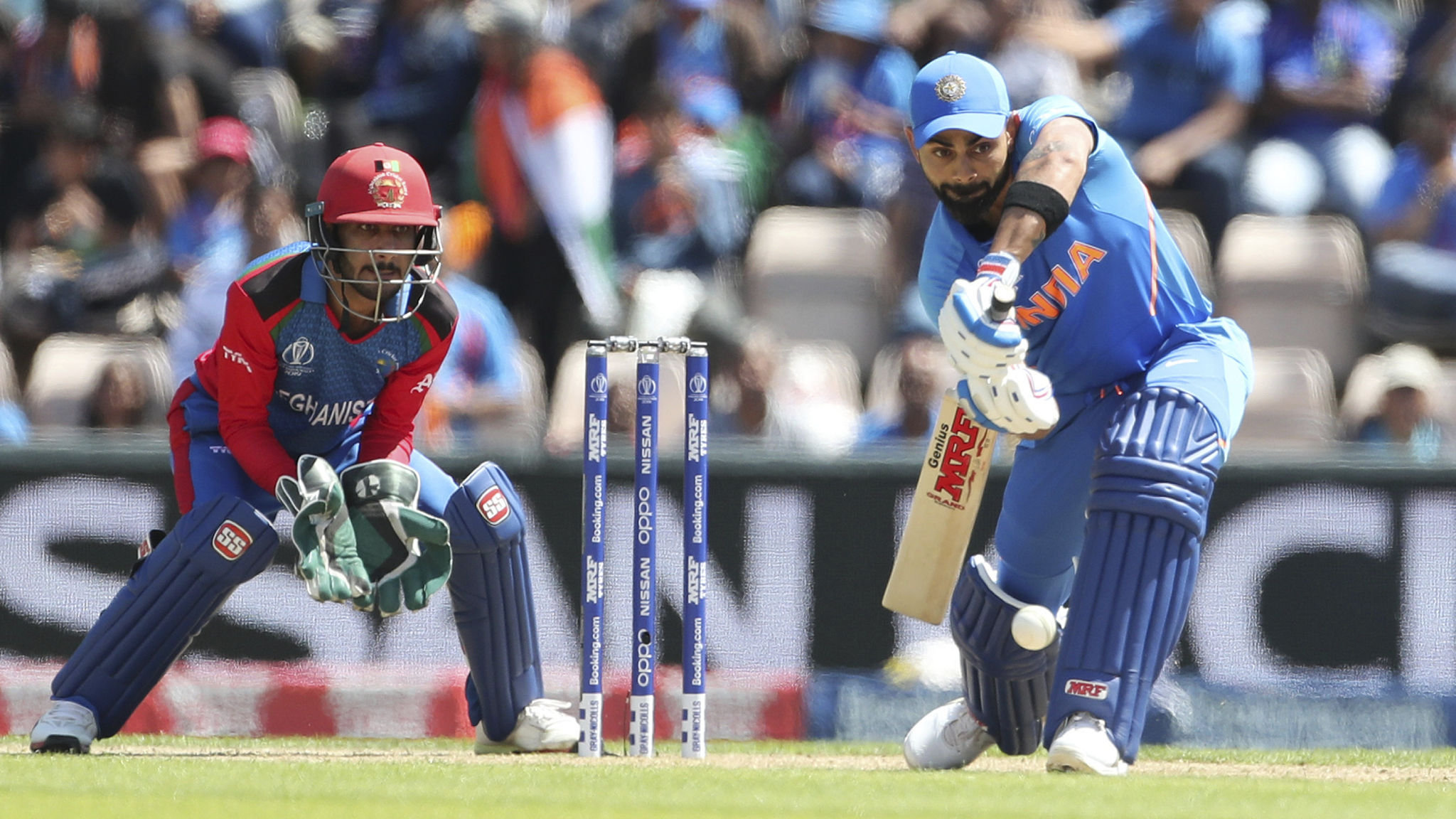
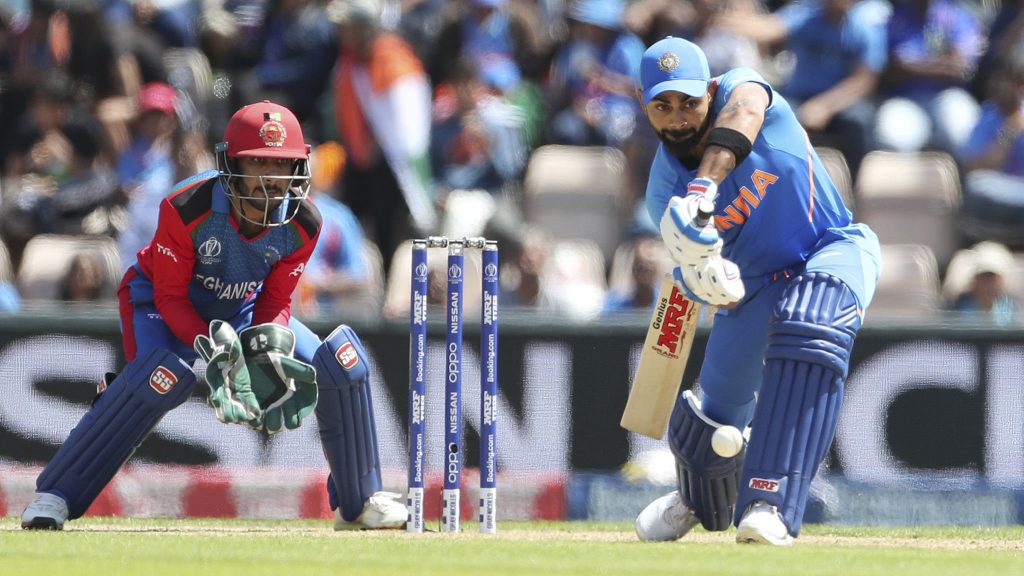
Pakar kesehatan setuju bahwa memperkuat otot inti Anda berguna untuk mencegah sakit punggung atau menguranginya jika sudah ada. Tenis juga merupakan aktivitas kardiovaskular yang hebat, yang berarti baik untuk jantung Anda.
Anda juga dapat bermain tenis meja jika Anda ingin menikmati keuntungan dari bermain tenis, termasuk terutama kemampuannya untuk mendorong peningkatan tinggi badan.
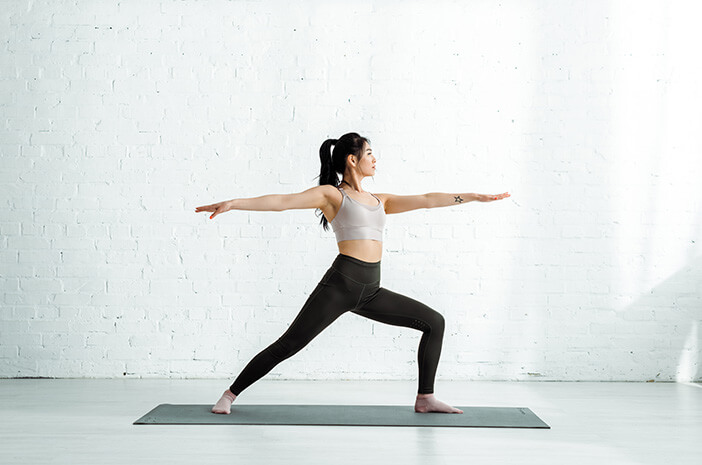
10. Yoga
Percaya atau tidak, yoga dianggap oleh banyak orang sebagai jenis olahraga. Itu karena itu mengharuskan Anda untuk menempatkan 100% fokus Anda padanya, ditambah itu membutuhkan pelatihan mental dan fisik untuk penguasaan.
Ya, Anda mungkin tidak melihat para yogi berpartisipasi dalam Olimpiade, tetapi kenyataannya yoga adalah jenis olahraga yang dapat Anda pilih untuk diikuti.
Kita semua tahu bahwa yoga sangat baik tidak hanya untuk mendapatkan bentuk tubuh tetapi juga mengurangi stres. Juga, biasanya direkomendasikan oleh para ahli kesehatan mental untuk individu yang berjuang melawan kecemasan, serangan panik, dan depresi.
Tahukah Anda bahwa Anda juga dapat melakukan yoga secara teratur jika Anda ingin tumbuh lebih tinggi? Yoga mampu meningkatkan tinggi badan Anda karena berbagai posenya melibatkan peregangan.
Sama seperti apa yang disebutkan sebelumnya dalam artikel ini, latihan peregangan memungkinkan tulang belakang terdekompresi, sehingga menyebabkan pemanjangan seluruh punggung.
Yoga juga cocok untuk mengencangkan dan memperkuat otot, termasuk yang menopang tulang belakang. Ini membantu menstabilkan punggung, menghindarinya dari kelengkungan yang tidak perlu serta rasa sakit dan nyeri.
Berkat yoga teratur, Anda juga akan lebih mudah mempertahankan postur yang baik. Tidak ada yang bisa membuat Anda terlihat lebih tinggi secara instan selain meluruskan tulang belakang, sedikit menarik bahu ke belakang, dan menjaga dagu tetap sejajar dengan lantai.
Apakah Anda sedang berdiri atau duduk, memiliki postur tubuh yang luar biasa juga membantu meningkatkan kepercayaan diri Anda. Menjadi lebih menarik bukanlah masalah jika Anda berdiri tegak dan terlihat percaya diri.
Olahraga yang disebutkan di atas dapat membantu Anda tumbuh lebih tinggi. Sekarang saatnya bagi kita untuk berbicara tentang 5 dari mereka yang harus Anda jauhi karena mereka dapat mencegah Anda mengubah ketinggian impian Anda menjadi kenyataan.…